
A damp patch on the bedroom ceiling, a slipped slate after high winds, or moss collecting in the gutter can quickly lead to the same question: are roof inspections free? Often, yes. Many reputable local roofers offer a free initial inspection because it gives you a clear view of the problem before you commit to repairs.
That said, “free inspection” can mean different things. A visual check and quotation for straightforward repair work is not the same as a detailed roof survey for a property purchase, an insurance claim, or a dispute. Knowing the difference helps you get the advice you need without surprises later.
Are Roof Inspections Free With Local Roofers?
For most homeowners, landlords and small business owners, an initial roof inspection should be free when they are seeking a quotation for repairs or replacement work. A roofer will normally assess the visible condition of the roof, identify likely causes of leaks or damage, and explain what work is recommended.
This type of visit is useful when you have noticed a specific concern, such as missing tiles, overflowing gutters, cracked ridge mortar, damaged flashing, loose fascias, or water entering the loft. It also makes sense after severe weather, particularly in exposed parts of Cumbria where wind and heavy rain can reveal weaknesses that were not obvious before.
A trustworthy contractor should be clear from the outset about whether there is a charge. You should not feel pressured into booking work simply because someone has visited your property. The purpose of a free inspection is to help you make an informed decision and allow the roofer to provide an accurate quotation.
What a Free Roof Inspection Usually Covers
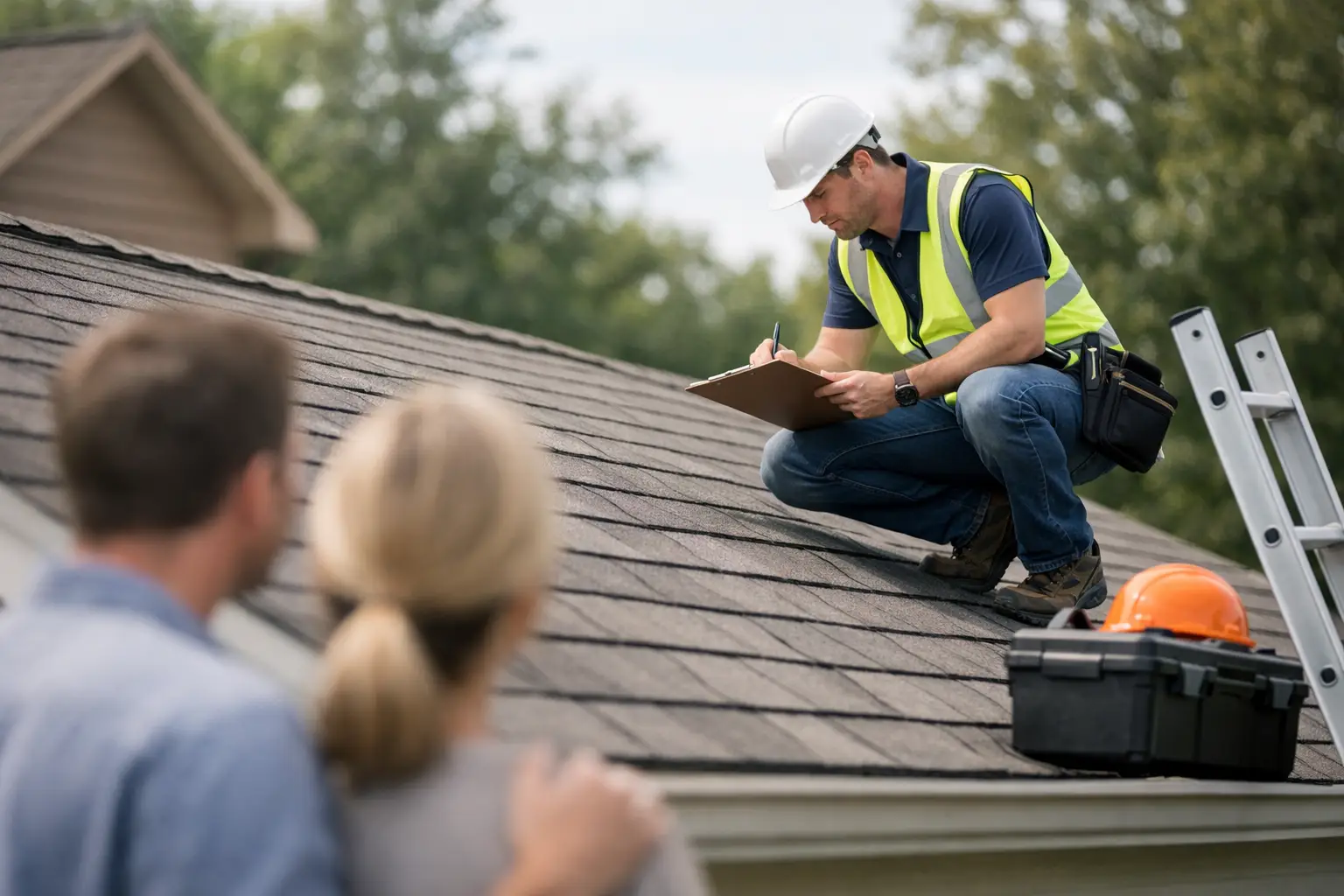
A proper initial inspection is more than a glance from the driveway. The roofer should look at the areas that can safely be accessed and assess the condition of the roof covering, roofline and drainage points.
For a pitched roof, this may include checking slates or tiles for cracks, movement and losses; inspecting ridge and hip tiles; reviewing leadwork and flashing around chimneys, valleys and roof junctions; and looking for signs of worn pointing or damaged chimney pots. Where appropriate, the roofer may also inspect the loft space for water staining, damp insulation, daylight showing through the roof, or poor ventilation.
Flat roofs need a slightly different approach. The inspection may focus on splits, blisters, standing water, failed seams, lifted edges and worn areas around outlets or upstands. Gutters, downpipes, soffits and fascias also matter, as blocked or damaged rainwater goods can cause water to back up against the property and create problems that look like a roof leak.
After the inspection, you should receive a plain-English explanation of what has been found. If work is required, ask for a written quotation that separates urgent repairs from optional improvements. This gives you control over your budget and makes it easier to compare like for like if you obtain another quote.
When a Roof Inspection May Cost Money
A paid inspection is not automatically a bad sign. Some situations require more time, specialist equipment or formal documentation than a free repair quotation can reasonably include.
You may be charged for a detailed survey if you need a written report for a house purchase, a legal matter, a warranty claim, an insurance claim, or an ongoing dispute with a neighbour or contractor. A report that needs photographs, measurements, technical findings and a formal opinion takes longer to prepare and carries greater responsibility for the surveyor.
There may also be a cost where access is unusually difficult. Very high roofs, complex commercial buildings, fragile coverings and properties requiring scaffold towers, lifting equipment or drone imagery may need a more extensive assessment. In these cases, a good contractor will explain the reason for the charge before arranging the visit.
The key distinction is simple: a free inspection is usually an initial assessment to diagnose a visible roofing issue and price the work. A paid survey is a more detailed professional document or investigation with a specific purpose beyond quoting for repairs.
Be Careful With “Free” Offers That Create Pressure
Free roof checks are valuable, but homeowners should still use common sense. Be cautious if an uninvited caller says they have spotted urgent damage from the road or claims your roof needs immediate work without showing clear evidence.
A reputable roofer will explain the problem, show photographs where possible, and give you time to consider the quote. They will not rely on scare tactics, demand a large deposit on the doorstep, or insist that a special price is available only if you agree that day.
There is also a difference between an honest finding and an over-sold solution. A few slipped slates, for example, may need a targeted repair rather than a complete new roof. Conversely, repeated leaks across an ageing roof could mean piecemeal repairs are no longer the best value. The right recommendation depends on the condition of the roof, the expected lifespan of the materials and your plans for the property.
Questions to Ask Before Booking a Roof Check
Before arranging an inspection, ask whether the visit and quotation are free, whether there are any circumstances that could result in a charge, and what the inspection will involve. It is reasonable to ask whether the roofer will inspect the loft, take photographs, or access the roof where safe to do so.
You should also ask how the quotation will be presented. A clear quote should describe the proposed work, materials, labour and any access requirements. If scaffolding, waste removal, chimney work or gutter repairs are needed, these should be made clear rather than added as an unexpected extra later.
Finally, ask about payment terms and guarantees. Roofing is a significant investment, and confidence comes from knowing the scope of work, the expected timescale and when payment is due. Contractors who are open about these points tend to be easier to work with from the first visit through to completion.
Why Early Inspections Save More Than They Cost
Even when an inspection is free, its value is in preventing a small issue from developing into a much larger one. A cracked tile can let moisture into the roof structure. Failed flashing around a chimney can cause persistent staining and rot. A blocked gutter can saturate fascias and walls during prolonged rain.
Roof problems are often hidden until water appears indoors, and by then the damage may extend beyond the outer covering. Timber, insulation, plaster and electrical fittings can all be affected by a leak left untreated. Regular checks are particularly sensible for older properties, homes surrounded by trees, and buildings that have been through a winter of storms.
For landlords and commercial property owners, early inspections also help with planning. Instead of reacting to a leak at the worst possible time, you can prioritise repairs, budget for future work and reduce disruption to tenants or customers.
Choosing a Roofer You Can Rely On
The best free inspection is one carried out by an experienced contractor who is interested in the long-term condition of your property, not just the quickest sale. Look for a local roofer with a clear service offering, a physical trading presence, evidence of completed work and quotations that are easy to understand.
Experience matters because roofing faults can have several possible causes. Water entering near a chimney may be caused by flashing, pointing, a slipped slate higher up the roof, or even overflowing gutters. A careful inspection avoids treating the symptom while missing the source.
Ideal Roofers provides free roof inspections and clear, no-obligation quotations for property owners across Carlisle, Cumbria and the surrounding areas. With more than 20 years of experience, the focus is on practical advice, quality workmanship and work tailored to the condition of your roof and your budget.
If you have seen a warning sign – however small it seems – arrange an inspection before the next spell of bad weather turns a manageable repair into damage inside your property.